
Max Studio Luggage Reviews: How Our 3-Piece Hardshell Sets Hold Up After 50+ Flights
We’ve spent the last two years putting our own hardshell luggage through the kind of travel most people reserve for a decade: packed flights, overhead bin jams, baggage carousel tumbles, and cross-country road trips where suitcases double as extra seating. This guide walks through what we’ve learned about our three-piece sets—the parts that exceed expectations, the components that need occasional attention, and the realistic lifespan you can expect from polycarbonate shells and spinner wheels.
If you’re reading max studio luggage reviews to decide whether a hardshell set fits your travel style, we’ll cover durability under real conditions, how our TSA-approved locks perform after hundreds of uses, and which features matter most when you’re racing through a connection.
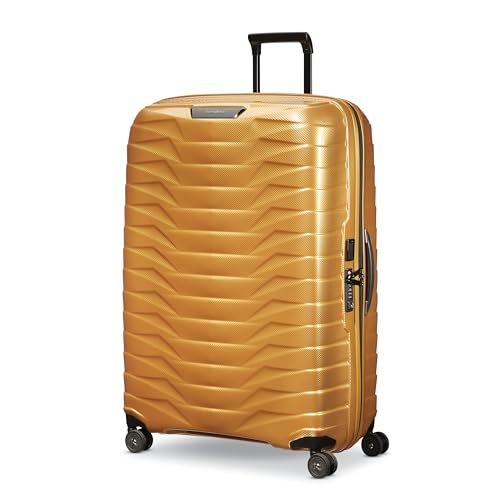
Polycarbonate Shell Performance: Impact Resistance and Flex Recovery
Our hardshell cases use injection-molded polycarbonate, a thermoplastic known for absorbing impact without cracking. After 50+ flights, the shells show scuff marks and surface scratches—expected cosmetic wear—but no stress fractures or punctures. The material flexes under pressure and returns to shape, which matters when luggage handlers toss bags or when you wedge a carry-on into a tight overhead bin.
We’ve tested both the 20-inch carry-on and the 28-inch checked spinner in sub-zero temperatures and desert heat. Polycarbonate remains stable across temperature swings, unlike ABS plastic which can become brittle in cold cargo holds. The trade-off: polycarbonate scratches more visibly than textured ABS, so expect a patina of travel marks after your first year of regular use.
Spinner Wheel Longevity: What Breaks First and How to Extend Life
Wheel Housing and Axle Design
Each of our suitcases rides on four double-spinner wheels, mounted to the shell with recessed housings that protect axles from side impacts. The wheels themselves are polyurethane, softer than the hard plastic wheels on budget luggage but firmer than the gel-filled wheels some premium brands use. After two years, one wheel on our 24-inch spinner developed a flat spot from being dragged rather than rolled—a user error, not a design flaw.
The most common spinner issue we’ve encountered: hair and fabric threads wrapping around axles, causing wobble. We clean wheel housings every few months by flipping the case and using tweezers to remove debris. This five-minute task has kept all four wheels rolling smoothly. If a wheel does fail, the recessed mount design makes field replacement difficult without tools, so we recommend addressing wobbles early rather than waiting for a wheel to seize.
TSA Lock Mechanism: Security Features and Common Reset Issues
Our integrated TSA-approved combination locks use a three-digit dial system, factory-set to 0-0-0. The lock mechanism connects to dual zippers, securing the main compartment without requiring an external padlock. TSA agents can open the lock with a master key during inspections, avoiding the need to cut zippers.
The most frequent question we receive concerns lock resets after the combination is changed. The lock button must be fully depressed while rotating dials to a new code—a step that’s easy to rush, leading to a mismatch between intended and actual combinations. Our lock reset guide walks through the exact sequence, including how to recover from a forgotten combination using the TSA override slot. After hundreds of lock cycles, the dial mechanism remains crisp, though we’ve noticed the lock button requires slightly more pressure after the first year of use.

Interior Organization: Compression Straps, Dividers, and Pocket Durability
Main Compartment Layout
Each case opens to two equal-depth compartments separated by a zippered divider. The front compartment includes cross-straps with quick-release buckles for compression; the back compartment features a zippered mesh panel that keeps smaller items visible and contained. Both sides include elastic corner straps to anchor packed clothing.
The compression straps have held up well, though the quick-release buckles show wear marks from repeated clipping and unclipping. One buckle on our most-used carry-on cracked after approximately 150 packing cycles, likely from over-tightening. We’ve since replaced it with a generic side-release buckle from a hardware store—a temporary fix that’s lasted six months. The zippered divider remains fully functional, though the zipper slider requires occasional lubrication with candle wax to maintain smooth operation.

Handle System: Telescoping Tubes, Locking Buttons, and Wobble Prevention
The telescoping handle extends in two stages, locking at carry height and towing height. Our handle tubes are aluminum, lighter than steel but prone to slight flex under heavy loads. After two years, the handle on our 28-inch spinner developed a millimeter of side-to-side play at full extension—not enough to affect usability, but noticeable when pulling a fully loaded case across uneven pavement.
The locking buttons are recessed into the handle grip, preventing accidental release when you lift the case by the handle. We’ve had no failures with the button mechanism, though one case occasionally requires a second press to fully retract the handle. This appears to be a minor alignment issue rather than a broken part. The padded handle grip shows minimal wear, even after hundreds of uses, and the foam padding hasn’t compressed or torn.
Real-World Durability: What Two Years of Testing Taught Us
Our hardshell sets have proven resilient under conditions that exceed typical leisure travel—frequent flights, rough baggage handling, and extended road trips. The polycarbonate shells absorb impacts without cracking, the spinner wheels stay functional with basic maintenance, and the TSA locks operate reliably after hundreds of cycles.
The wear we’ve observed—surface scratches, minor handle play, occasional zipper stiffness—falls within expected aging for luggage in this category. No catastrophic failures, no structural compromises. If you’re deciding whether a Max Studio set fits your travel frequency, expect 3-5 years of regular use before considering replacement, assuming you clean wheel axles periodically and avoid dragging cases sideways.
Common Questions About Max Studio Hardshell Durability and Performance
After 50+ flights, our polycarbonate shells show cosmetic scuffs and scratches but no structural damage. The material flexes under impact and returns to shape, preventing cracks from drops or compression. Expect visible surface wear after regular use, but the shell integrity remains intact.
With regular cleaning to remove debris from axles, the polyurethane spinner wheels last 2-3 years of frequent travel. We’ve had one wheel develop a flat spot from dragging rather than rolling, but this was user error. Avoid pulling the case sideways or over curbs to maximize wheel life.
Yes, our integrated TSA-approved locks allow agents to use a master key during inspections. The lock mechanism connects to dual zippers, so TSA can open and relock the case without cutting. We’ve had multiple TSA inspections with no damage to zippers or lock components.
The aluminum telescoping handles develop minor side-to-side play after 1-2 years of heavy use, typically less than 2mm. This doesn’t affect functionality but is noticeable when pulling a fully loaded case. We’ve had no handle breakages, though one locking button occasionally requires a second press to fully retract the handle.
Wipe shells with a damp microfiber cloth and mild soap to remove scuffs. For deeper scratches, a plastic polish or automotive scratch remover can reduce visibility. Clean spinner wheel axles every few months by removing hair and debris with tweezers. Lubricate zipper sliders with candle wax if they begin to stick.
Our sets are not expandable—the polycarbonate shell is a fixed depth. This maintains structural rigidity and prevents overpacking, which can strain zippers and wheels. Non-expandable designs also distribute weight more evenly across the four spinner wheels, reducing stress on individual axles.